

Introduction
Interior design plays a vital role in shaping how a space looks, feels, and functions. Whether you want to transform your living room, bedroom, or office, interior design helps create visually appealing and practical environments that reflect personality and lifestyle. From choosing color palettes and furniture to optimizing space and lighting, interior design blends creativity with functionality.
In today’s modern world, interior design is more than decoration — it’s about creating harmony, improving comfort, and enhancing everyday living experiences. This comprehensive guide explores interior design styles, principles, benefits, tips, and trends to help you design beautiful spaces.
What is Interior Design?
Interior design is the art and science of enhancing the interior of a building to achieve a healthier and more aesthetically pleasing environment. It involves space planning, color coordination, furniture selection, lighting design, textures, and decorative elements.
Professional interior design focuses on:
-
Space optimization
-
Visual appeal
-
Functionality
-
Comfort
-
Safety
-
Sustainability
Good interior design balances beauty with usability, ensuring every element contributes to the overall experience of a space.
Why Interior Design Matters
Interior design impacts both mental well-being and productivity. A thoughtfully designed space improves mood, boosts efficiency, and increases property value.
Key Benefits of Interior Design
| Benefit | Description |
|---|---|
| Better Space Utilization | Maximizes available space efficiently |
| Improved Comfort | Enhances convenience and relaxation |
| Increased Property Value | Adds market appeal to homes |
| Enhanced Aesthetic Appeal | Creates visually pleasing environments |
| Better Lighting & Functionality | Improves usability of rooms |
| Personal Expression | Reflects personality and lifestyle |
Interior design helps transform ordinary spaces into extraordinary environments that support daily activities.
Core Principles of Interior Design
Understanding fundamental principles helps create balanced and visually appealing interiors.
1. Balance
Balance distributes visual weight evenly. It can be symmetrical, asymmetrical, or radial.
2. Harmony
Harmony ensures all elements work together to create unity.
3. Contrast
Contrast adds visual interest using different colors, textures, or shapes.
4. Rhythm
Rhythm creates movement through repetition of patterns or elements.
5. Proportion and Scale
Proper sizing ensures objects fit well within a space.
These principles guide every successful interior design project.
Popular Interior Design Styles
Different styles define the personality and mood of a space. Choosing the right interior design style helps create a cohesive look.
Modern Interior Design

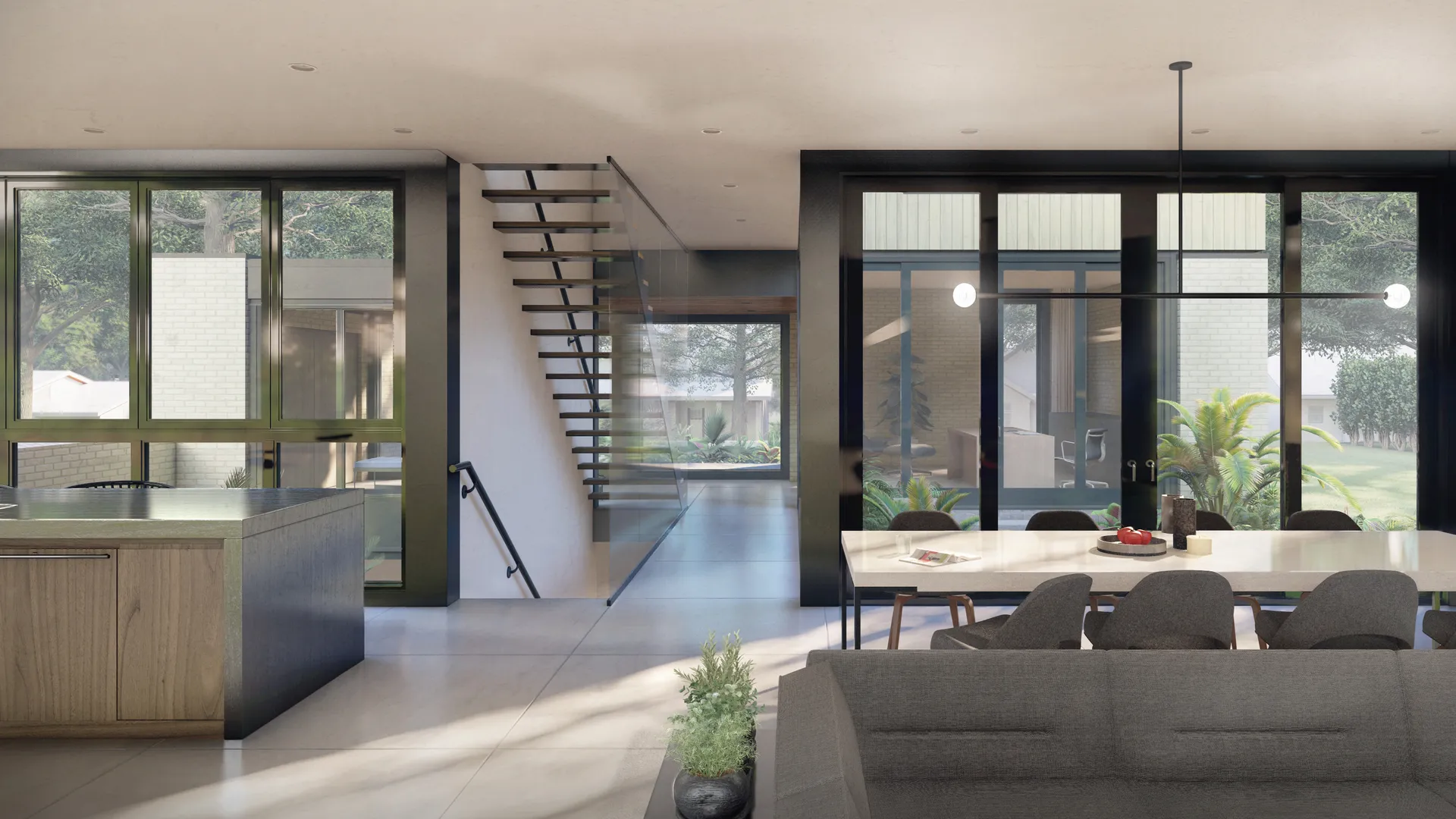

Features:
-
Neutral colors
-
Sleek furniture
-
Open spaces
-
Minimal decor
-
Natural light
This interior design style focuses on functionality and clutter-free environments.
Contemporary Interior Design


Features:
-
Simple layouts
-
Smooth surfaces
-
Neutral tones
-
Bold accents
-
Smart technology integration
This interior design style constantly evolves with time.
Minimalist Interior Design
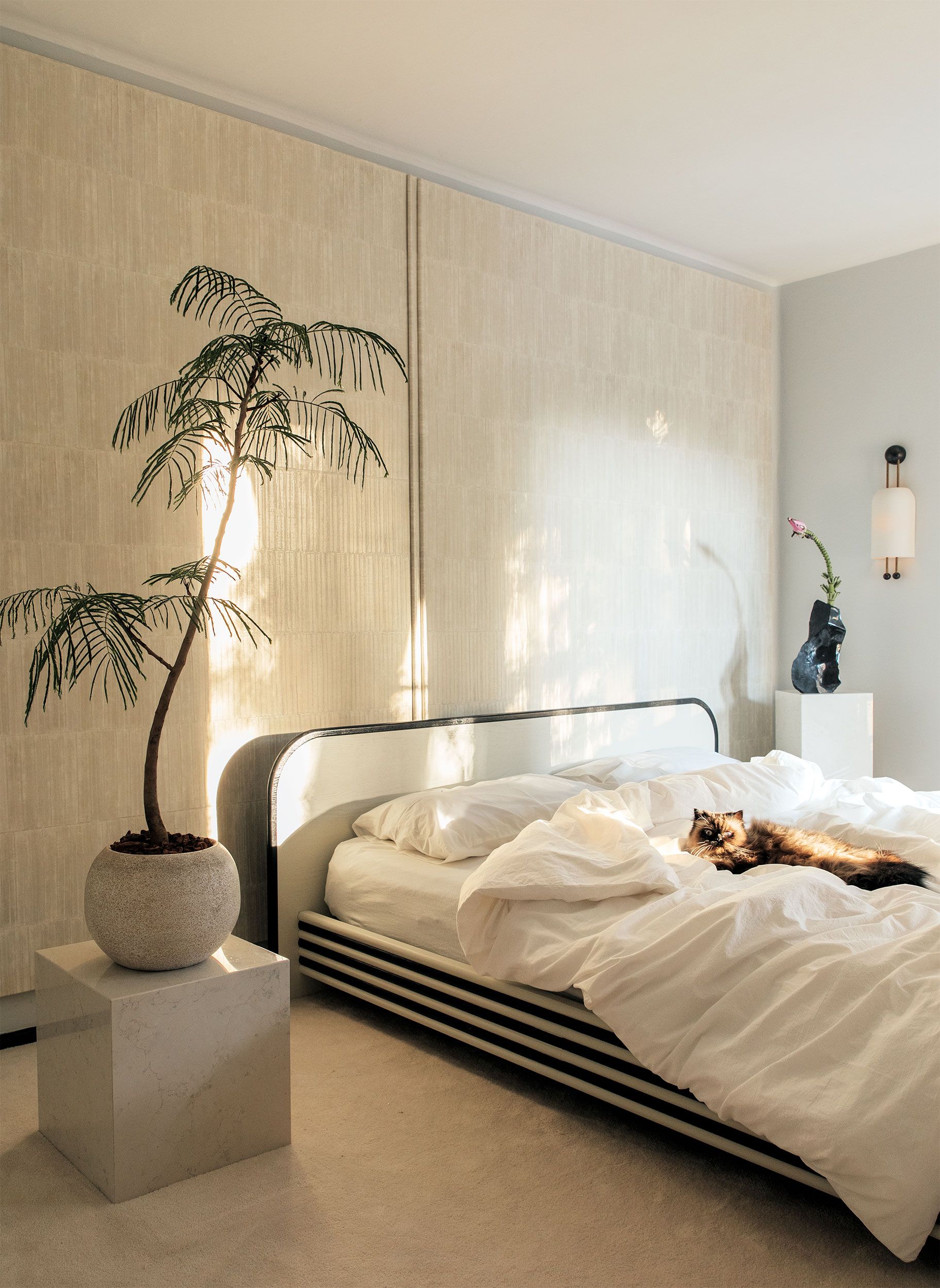
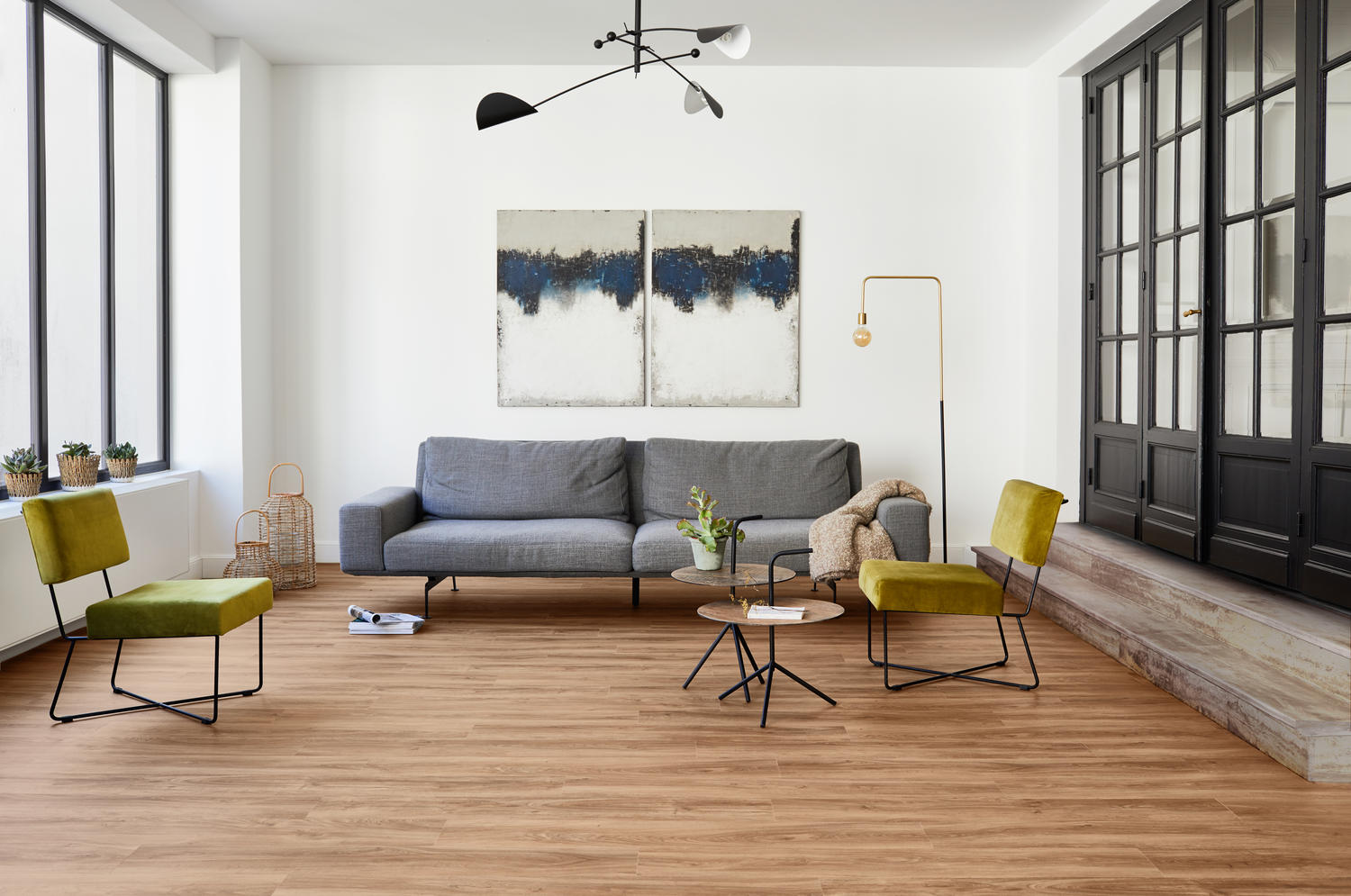
Features:
-
Limited furniture
-
Clean lines
-
Open space
-
Neutral palette
-
Functional decor
Minimalism promotes clarity, calmness, and simplicity.
Traditional Interior Design


Features:
-
Rich colors
-
Detailed furniture
-
Decorative accessories
-
Symmetry
-
Warm ambiance
This interior design style reflects heritage and sophistication.
Industrial Interior Design

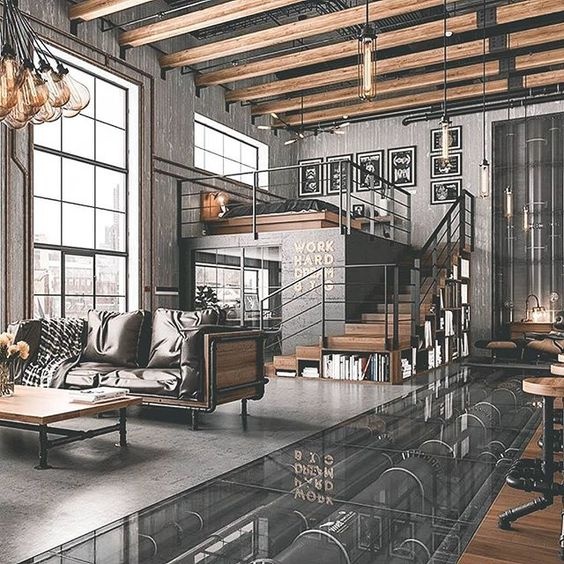

Features:
-
Exposed brick
-
Metal elements
-
Raw textures
-
Neutral tones
-
Open layouts
Industrial interior design offers a bold and urban aesthetic.
Key Elements of Interior Design
Several elements combine to create effective interior design.
1. Space
Space forms the foundation of interior design. Proper space planning ensures balance and functionality.
2. Color
Colors influence mood and perception.
-
Warm colors → energetic atmosphere
-
Cool colors → calm environment
-
Neutral colors → versatile and elegant
3. Lighting
Lighting enhances ambiance and functionality.
Types of Lighting:
-
Ambient lighting
-
Task lighting
-
Accent lighting
4. Texture
Texture adds depth and interest through materials like wood, fabric, or metal.
5. Furniture
Furniture defines functionality and style in interior design.
6. Decor and Accessories
Art, plants, rugs, and decorative items complete the design.
Room-by-Room Interior Design Tips
Living Room Interior Design
The living room serves as the central gathering space.
Tips:
-
Use comfortable seating
-
Add layered lighting
-
Choose a focal point
-
Maintain balanced layout
-
Use decorative accents
Interior design in living rooms should promote comfort and interaction.
Bedroom Interior Design
Bedroom interior design focuses on relaxation and comfort.
Tips:
-
Use calming colors
-
Select comfortable bedding
-
Optimize storage
-
Add soft lighting
-
Maintain minimal clutter
A well-designed bedroom improves sleep quality and relaxation.
Kitchen Interior Design
Kitchen interior design prioritizes functionality and efficiency.
Tips:
-
Ensure proper workflow layout
-
Use durable materials
-
Add sufficient lighting
-
Install smart storage
-
Maintain cleanliness
Functional kitchen interior design improves daily convenience.
Bathroom Interior Design
Bathroom interior design combines hygiene with aesthetics.
Tips:
-
Use water-resistant materials
-
Install proper lighting
-
Maximize storage
-
Choose simple color schemes
-
Maintain ventilation
Well-planned interior design enhances comfort in small spaces.
Interior Design Color Selection Guide
Choosing the right color palette transforms a space.
| Color Type | Effect | Best Use |
|---|---|---|
| White | Clean and spacious | Small rooms |
| Blue | Calm and peaceful | Bedrooms |
| Green | Refreshing and natural | Living spaces |
| Yellow | Energetic and cheerful | Kitchens |
| Grey | Modern and sophisticated | Offices |
| Beige | Warm and neutral | Living rooms |
Color plays a major role in successful interior design outcomes.
Interior Design Trends in 2026
Interior design continues to evolve with changing lifestyles and technology.
Sustainable Design
Eco-friendly materials and energy-efficient solutions dominate modern interior design.
Smart Homes
Automation and technology integration enhance convenience.
Biophilic Design
Natural elements like plants and sunlight improve well-being.
Multifunctional Spaces
Flexible furniture supports modern lifestyles.
Natural Materials
Wood, stone, and organic textures remain popular.
These trends reflect the growing importance of sustainable and functional interior design.
Interior Design on a Budget
You don’t need a large budget to achieve beautiful interior design.
Budget-Friendly Tips
-
Rearrange existing furniture
-
Use DIY decorations
-
Add plants for freshness
-
Update lighting fixtures
-
Use removable wallpaper
-
Add mirrors for spacious feel
Smart planning makes interior design accessible to everyone.
Common Interior Design Mistakes to Avoid
Avoiding common mistakes improves design quality.
-
Overcrowding spaces
-
Poor lighting choices
-
Ignoring scale and proportion
-
Excessive decoration
-
Lack of planning
-
Choosing style over comfort
Effective interior design balances beauty with practicality.
Interior Design Process Explained
Professional interior design follows structured steps.
Step 1: Planning
Understanding requirements and goals.
Step 2: Concept Development
Creating design themes and layouts.
Step 3: Space Planning
Arranging furniture and elements.
Step 4: Material Selection
Choosing colors, textures, and finishes.
Step 5: Implementation
Executing the design plan.
Step 6: Final Styling
Adding finishing touches.
This systematic approach ensures successful interior design results.
Interior Design and Psychology
Interior design significantly affects emotions and behavior.
-
Bright spaces improve mood
-
Organized environments reduce stress
-
Natural elements enhance well-being
-
Comfortable spaces increase productivity
Thoughtful interior design creates healthier living environments.
How to Choose the Right Interior Design Style
Selecting the right interior design style requires understanding preferences and needs.
Consider:
-
Lifestyle requirements
-
Budget
-
Space availability
-
Personal taste
-
Long-term functionality
The best interior design reflects both personality and practicality.
Role of Technology in Interior Design
Technology is transforming interior design processes.
-
3D visualization tools
-
Virtual design planning
-
Smart lighting systems
-
Automated climate control
-
Digital mood boards
Modern interior design uses technology to enhance efficiency and creativity.
Future of Interior Design
Interior design will continue evolving with sustainability, technology, and personalized experiences. Future spaces will prioritize comfort, wellness, and environmental responsibility.
Designers will focus more on smart homes, flexible layouts, and eco-friendly materials. Interior design will increasingly combine aesthetics with functionality and sustainability.
Interior Design Essentials
What is interior design?
Interior design is the process of enhancing indoor spaces to improve aesthetics and functionality.
Why is interior design important?
Interior design improves comfort, productivity, and visual appeal.
What are popular interior design styles?
Modern, contemporary, minimalist, traditional, and industrial styles are widely popular.
What is the main goal of interior design?
The main goal is to create functional and visually appealing spaces.
Can interior design increase property value?
Yes, good interior design significantly enhances property value.
Conclusion
Interior design is a powerful tool that transforms living spaces into comfortable, functional, and visually appealing environments. From selecting colors and furniture to choosing lighting and layout, every detail contributes to the overall experience of a space. Whether you prefer modern minimalism or classic elegance, interior design helps create environments that reflect personality and enhance everyday life.
By understanding principles, styles, and trends, anyone can improve their space through thoughtful interior design choices. With proper planning, creativity, and attention to detail, interior design can turn any space into a beautiful and inspiring environment.
Read More:- Interior Design Styles Guide: Types, Ideas & Home Inspiration
