

Introduction
Interior design plays a vital role in shaping the look, feel, and functionality of any space. Understanding different interior design styles helps homeowners create beautiful, comfortable environments that reflect their personality and lifestyle. Whether you prefer minimal aesthetics, cozy textures, or bold decorative elements, choosing the right style can completely transform your living space.
This comprehensive guide explores popular interior design styles, their key features, benefits, and practical ways to incorporate them into your home. From modern simplicity to traditional elegance, you’ll learn everything you need to design a stunning interior.
What Are Interior Design Styles?
Interior design styles are distinctive ways of decorating and organizing interior spaces based on color schemes, furniture choices, materials, textures, and layout principles. These styles influence how a room looks and functions, creating a consistent theme throughout a space.
Different interior design styles emerged from cultural influences, historical periods, and architectural movements. Some styles focus on minimalism and functionality, while others emphasize luxury and decorative detail.
Why Choosing the Right Style Matters
-
Creates visual harmony
-
Reflects personal taste
-
Improves comfort and usability
-
Enhances property value
-
Helps maintain design consistency
Understanding various interior design styles allows you to mix and match elements effectively while maintaining balance.
Popular Interior Design Styles at a Glance
| Style | Key Features | Colors | Materials | Best For |
|---|---|---|---|---|
| Modern | Clean lines, simplicity | Neutral tones | Glass, steel | Minimal homes |
| Scandinavian | Bright, functional | White, pastel | Wood, linen | Small spaces |
| Industrial | Raw textures | Dark shades | Metal, brick | Urban homes |
| Traditional | Classic elegance | Warm tones | Wood, silk | Formal spaces |
| Bohemian | Eclectic, layered | Vibrant colors | Textiles, rattan | Creative spaces |
This table highlights some of the most widely used interior design styles and their defining characteristics.
Modern Interior Design Style


Key Characteristics
-
Minimal furniture and decor
-
Neutral color palettes
-
Open floor plans
-
Smooth surfaces
-
Natural light emphasis
How to Achieve Modern Style
Use simple furniture, neutral tones like white or gray, and geometric shapes. Avoid excessive decoration and choose functional pieces.
Among different interior design styles, modern design is ideal for those who prefer clean and organized environments.
Scandinavian Interior Design Style
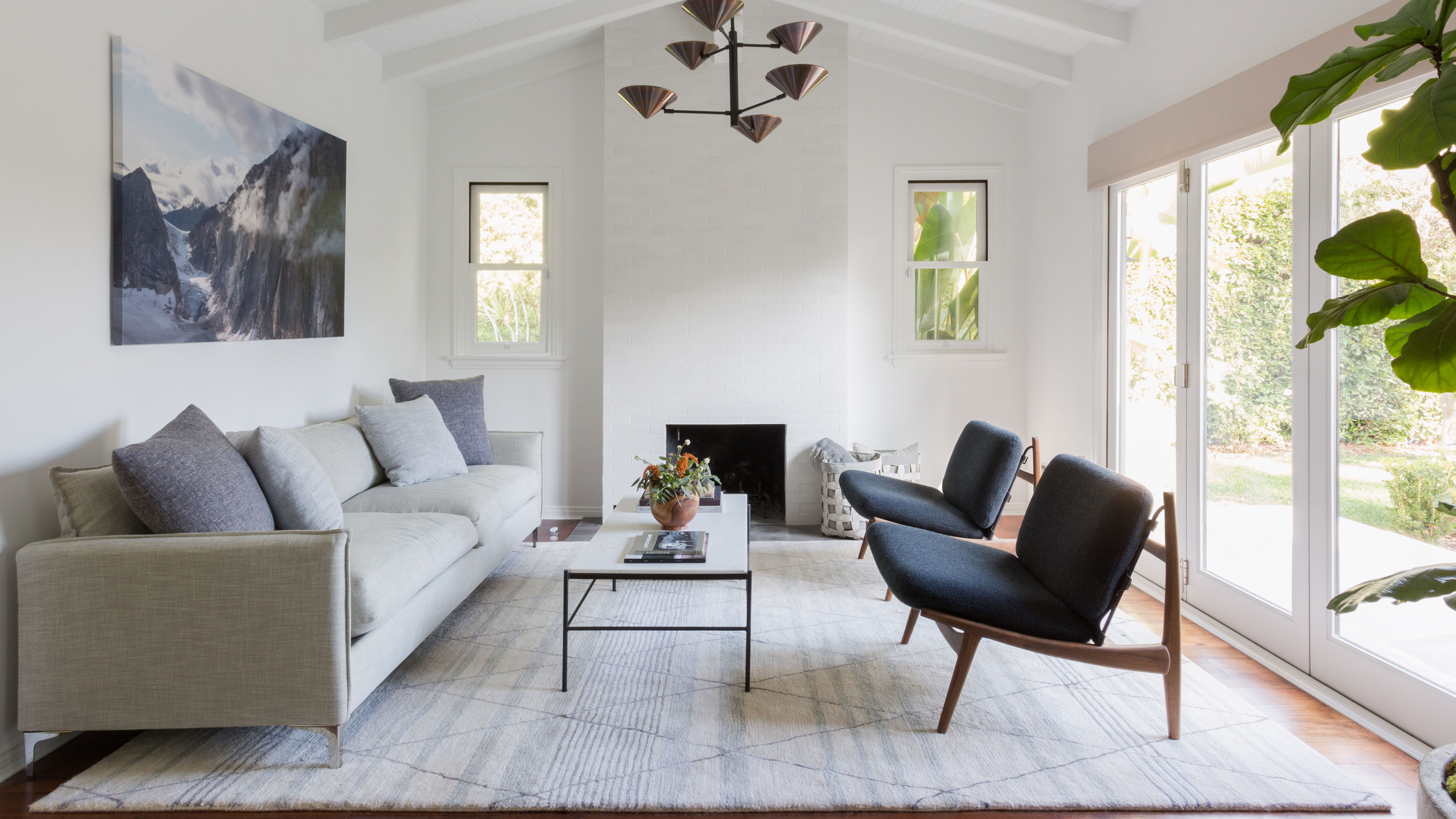

Key Characteristics
-
Light color schemes
-
Natural wood elements
-
Cozy textures
-
Functional furniture
-
Minimal decoration
Tips for Scandinavian Decor
Choose light-colored furniture, add soft textiles like rugs and blankets, and maximize natural light. This is one of the most practical interior design styles for small apartments.
Industrial Interior Design Style
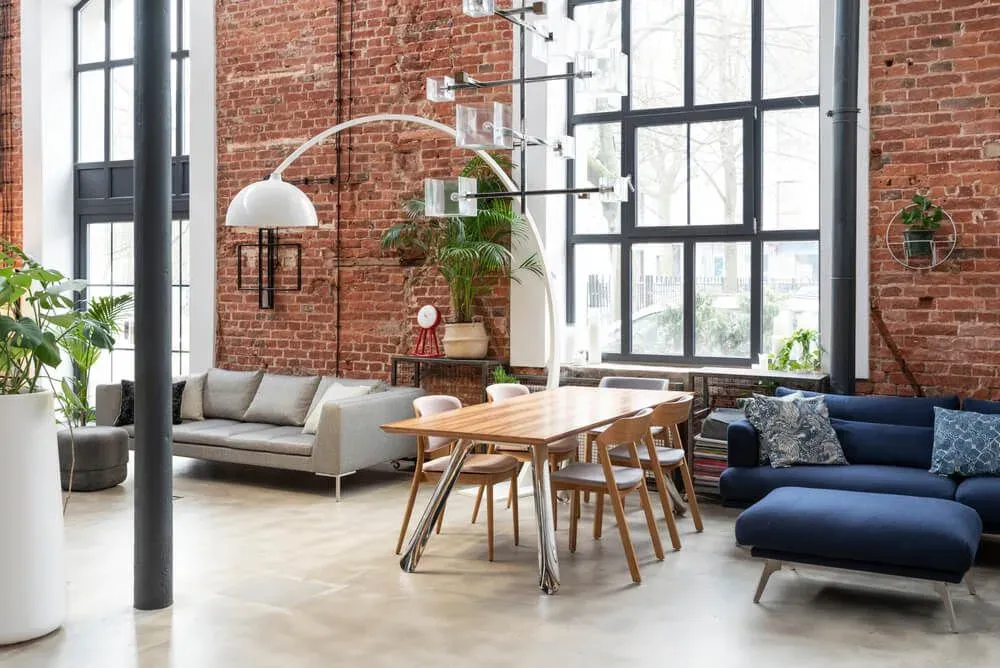


Key Characteristics
-
Exposed brick walls
-
Metal and wood combinations
-
Open ceilings and pipes
-
Dark color palette
-
Vintage lighting fixtures
Where Industrial Style Works Best
Urban homes and lofts benefit most from this style. Among popular interior design styles, industrial decor offers a bold and edgy look.
Traditional Interior Design Style

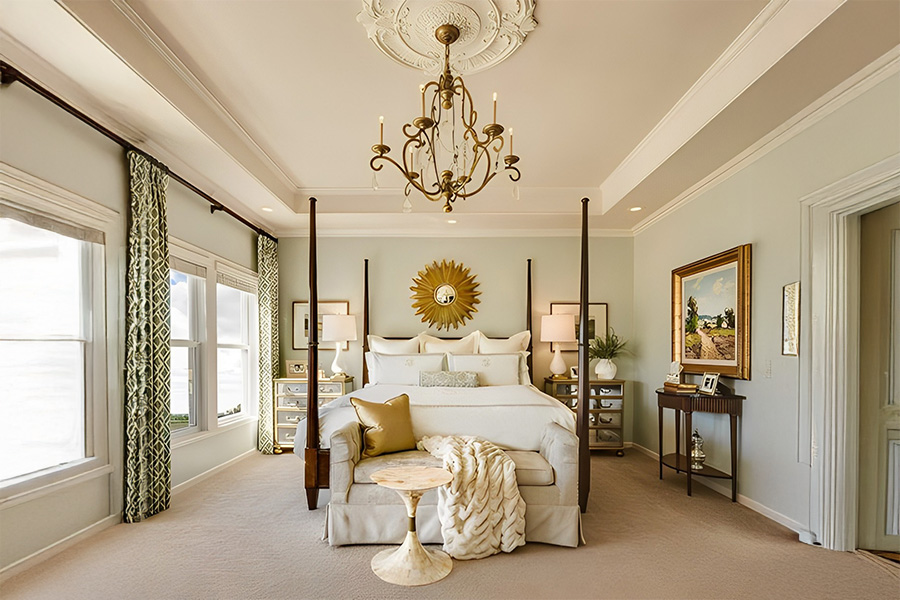
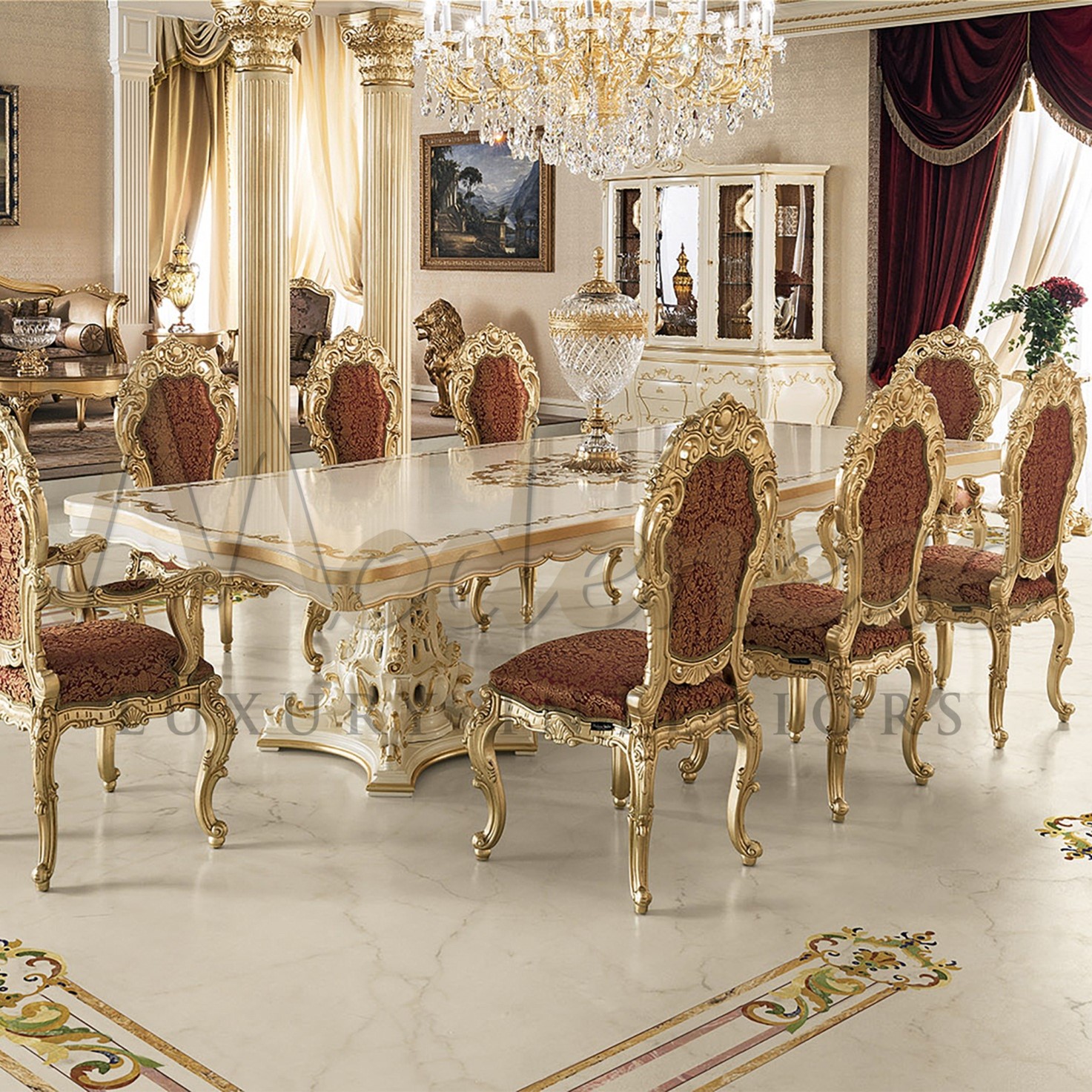
Key Characteristics
-
Rich wood furniture
-
Decorative moldings
-
Symmetrical layouts
-
Warm color palettes
-
Elegant fabrics
Decor Tips
Use antique furniture, layered lighting, and sophisticated accessories. Traditional design remains one of the timeless interior design styles for formal homes.
Bohemian Interior Design Style


Key Characteristics
-
Vibrant colors and patterns
-
Layered textiles
-
Indoor plants
-
Vintage furniture
-
Eclectic decor
How to Create a Boho Space
Mix patterns, use handcrafted items, and add greenery. This is one of the most expressive interior design styles for artistic personalities.
Minimalist Interior Design Style
Minimalist design emphasizes simplicity and functionality by eliminating unnecessary elements.
Features
-
Clean spaces
-
Limited color palette
-
Functional furniture
-
Open layout
-
Minimal decor
Minimalism has become one of the most influential interior design styles due to its calming and clutter-free environment.
Contemporary Interior Design Style
Contemporary design reflects current trends and evolving aesthetics.
Features
-
Neutral colors with bold accents
-
Sleek furniture
-
Mixed materials
-
Open spaces
-
Artistic lighting
Unlike modern design, contemporary interior design styles change with trends.
Mid-Century Modern Design
Inspired by mid-20th century architecture and furniture design, this style blends simplicity and organic forms. Influences from movements like Bauhaus shaped its functional approach.
Key Elements
-
Clean lines
-
Organic shapes
-
Wooden furniture
-
Retro accents
-
Functional design
This remains one of the most popular interior design styles for stylish yet comfortable homes.
Rustic Interior Design Style
Rustic design highlights natural materials and earthy textures.
Features
-
Wooden beams
-
Stone elements
-
Earthy colors
-
Handmade decor
-
Warm atmosphere
Rustic interiors bring nature indoors and are widely loved among cozy interior design styles.
How to Choose the Right Interior Design Style
Selecting the perfect style depends on multiple factors.
1. Consider Your Lifestyle
Choose a design that suits your daily habits and comfort needs.
2. Evaluate Space Size
Some interior design styles like Scandinavian work well in small spaces.
3. Set a Budget
Luxury styles may require higher investment.
4. Focus on Functionality
Design should improve usability and comfort.
5. Mix Elements Carefully
Combining styles can create unique interiors when balanced correctly.
Steps to Implement Interior Design Styles at Home
Step 1: Define Your Theme
Choose a consistent look across all rooms.
Step 2: Select Color Palette
Colors influence mood and space perception.
Step 3: Choose Furniture
Furniture should match your chosen style.
Step 4: Add Textures
Use fabrics, rugs, and materials to enhance depth.
Step 5: Accessorize
Decor items complete the look.
Understanding different interior design styles helps homeowners create visually appealing and functional spaces.
Benefits of Understanding Interior Design Styles
Improved Aesthetics
A defined style creates a cohesive look.
Better Space Planning
Each style emphasizes different layouts.
Enhanced Comfort
Design impacts mood and relaxation.
Higher Property Value
Well-designed interiors attract buyers.
Learning about interior design styles allows you to make confident design decisions.
Common Mistakes to Avoid
-
Mixing too many styles
-
Ignoring lighting design
-
Overcrowding spaces
-
Choosing trends over comfort
-
Lack of color balance
Avoiding these mistakes ensures successful implementation of your chosen interior design styles.
Quick Design (Expert Tips)
Small Room Design
Use light colors, mirrors, and minimal furniture.
Budget-Friendly Decor
Repurpose furniture and use DIY decorations.
Luxury Look
Add statement lighting and high-quality fabrics.
Cozy Interiors
Use warm lighting and layered textiles.
Balanced Design
Combine textures, colors, and materials carefully.
These quick ideas make implementing interior design styles easier for beginners.
Future Trends in Interior Design
Interior design continues evolving with technology and sustainability.
Emerging Trends
-
Sustainable materials
-
Smart homes
-
Biophilic design
-
Multi-functional spaces
-
Personalized interiors
Future interior design styles will focus more on comfort, technology, and environmental responsibility.
Conclusion
Understanding different interior design styles helps transform ordinary spaces into beautiful and functional environments. Whether you prefer modern simplicity, Scandinavian warmth, industrial boldness, or traditional elegance, choosing the right style improves comfort and aesthetics.
By exploring various interior design styles, homeowners can design spaces that reflect personality, enhance functionality, and create lasting impressions. With proper planning, creativity, and consistency, anyone can create a stylish home that meets their needs and preferences.
Read More:- Art Deco Interior Design: The Complete Guide to Glamorous Living
