

Introduction to Rights of Consumer
Consumers play a vital role in the economy because they drive demand for goods and services. However, consumers often face problems such as defective products, poor service, misleading advertisements, and unfair trade practices. To protect buyers from exploitation and ensure fair trade practices, governments around the world have established laws that define the rights of consumer.
The rights of consumer refer to the legal protections provided to individuals when they purchase goods or services. These rights ensure that consumers receive quality products, accurate information, fair pricing, and proper redressal mechanisms in case of disputes. Understanding the rights of consumer helps individuals make informed decisions and protects them from unfair practices in the marketplace.
In India, consumer protection is governed mainly by the Consumer Protection Act, 2019, which replaced the earlier 1986 Act and strengthened consumer safeguards. The law provides a structured system to resolve disputes and empowers consumers with several rights.
This detailed guide explains the rights of consumer, types of consumer rights, legal provisions, complaint processes, and practical examples to help you understand your protections as a buyer.
Consumer Protection Framework in India
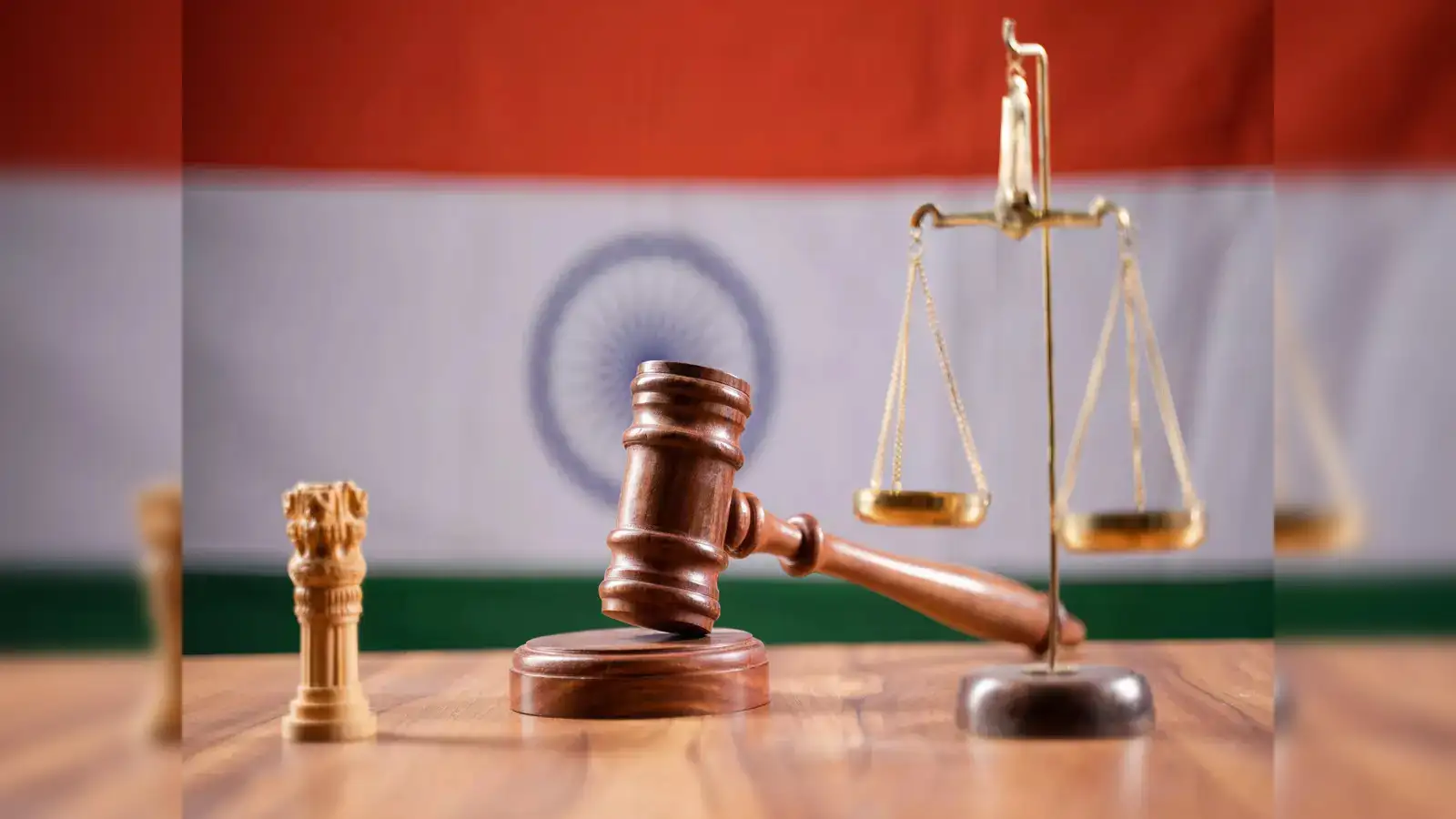
The Consumer Protection Act, 2019 introduced major improvements such as:
-
Establishment of Central Consumer Protection Authority (CCPA)
-
Regulation of e-commerce transactions
-
Product liability provisions
-
Strict penalties for misleading advertisements
-
Simplified dispute resolution mechanisms
This legal structure strengthens the rights of consumer and ensures accountability among manufacturers, sellers, and service providers.
What Are the Rights of Consumer?
The rights of consumer are fundamental protections that ensure fair treatment in the marketplace. These rights empower individuals to demand quality products, safe services, and compensation for damages.
Basic Rights of Consumer
1. Right to Safety
The right to safety protects consumers from hazardous goods and services. Products must meet quality standards and should not pose risks to health or property.
For example, electrical appliances, medicines, and packaged food must follow safety guidelines to protect consumers.
2. Right to Information
This right ensures consumers receive accurate details about products, including:
-
Price
-
Ingredients
-
Manufacturing date
-
Expiry date
-
Usage instructions
-
Side effects
The right to information prevents deceptive marketing and helps consumers make informed choices.
3. Right to Choose
The right to choose allows consumers to select from various products at competitive prices. Businesses cannot force customers to buy unwanted goods.
4. Right to Be Heard
Consumers have the right to voice complaints and concerns regarding defective products or unfair practices.
5. Right to Seek Redressal
Consumers can demand compensation, replacement, or refund for defective goods or services.
6. Right to Consumer Education
This right ensures consumers understand their rights and responsibilities in the marketplace.
Understanding these rights of consumer helps individuals protect themselves from unfair trade practices and exploitation.
Table: Six Main Rights of Consumer
| Consumer Right | Meaning | Example |
|---|---|---|
| Right to Safety | Protection from harmful goods | Defective electrical appliance recall |
| Right to Information | Access to product details | Food labels showing ingredients |
| Right to Choose | Freedom to select products | Choosing different brands |
| Right to Be Heard | Complaint consideration | Filing complaint in consumer forum |
| Right to Seek Redressal | Compensation for damages | Refund for faulty product |
| Right to Consumer Education | Awareness of rights | Consumer awareness campaigns |
Importance of Rights of Consumer
The rights of consumer ensure fairness, transparency, and accountability in the marketplace. Without these rights, businesses could exploit buyers through unfair practices.
Key Benefits
-
Protects against fraud and exploitation
-
Ensures product quality
-
Promotes fair competition
-
Encourages responsible business practices
-
Provides legal remedies
The rights of consumer also help maintain trust between businesses and customers.
Consumer Responsibilities Along With Rights
While enjoying the rights of consumer, individuals also have certain responsibilities.
Major Consumer Responsibilities
-
Checking product labels carefully
-
Reading terms and conditions
-
Keeping bills and receipts
-
Using products properly
-
Filing complaints when necessary
-
Being aware of consumer laws
Responsible consumer behavior strengthens the effectiveness of consumer protection systems.
Rights of Consumer Under Consumer Protection Act, 2019
The Consumer Protection Act, 2019 expanded the rights of consumer by introducing modern protection mechanisms.
Key Provisions
1. Product Liability
Manufacturers and sellers are responsible for defective products causing harm.
2. E-Commerce Regulations
Online platforms must provide accurate product details and fair refund policies.
3. Central Consumer Protection Authority
The authority investigates unfair trade practices and protects consumer rights.
4. Mediation Process
Disputes can be settled through mediation for faster resolution.
5. Misleading Advertisement Penalties
Celebrities and companies can be fined for false claims.
These provisions significantly strengthen the rights of consumer in the digital and modern marketplace.
Consumer Dispute Redressal System

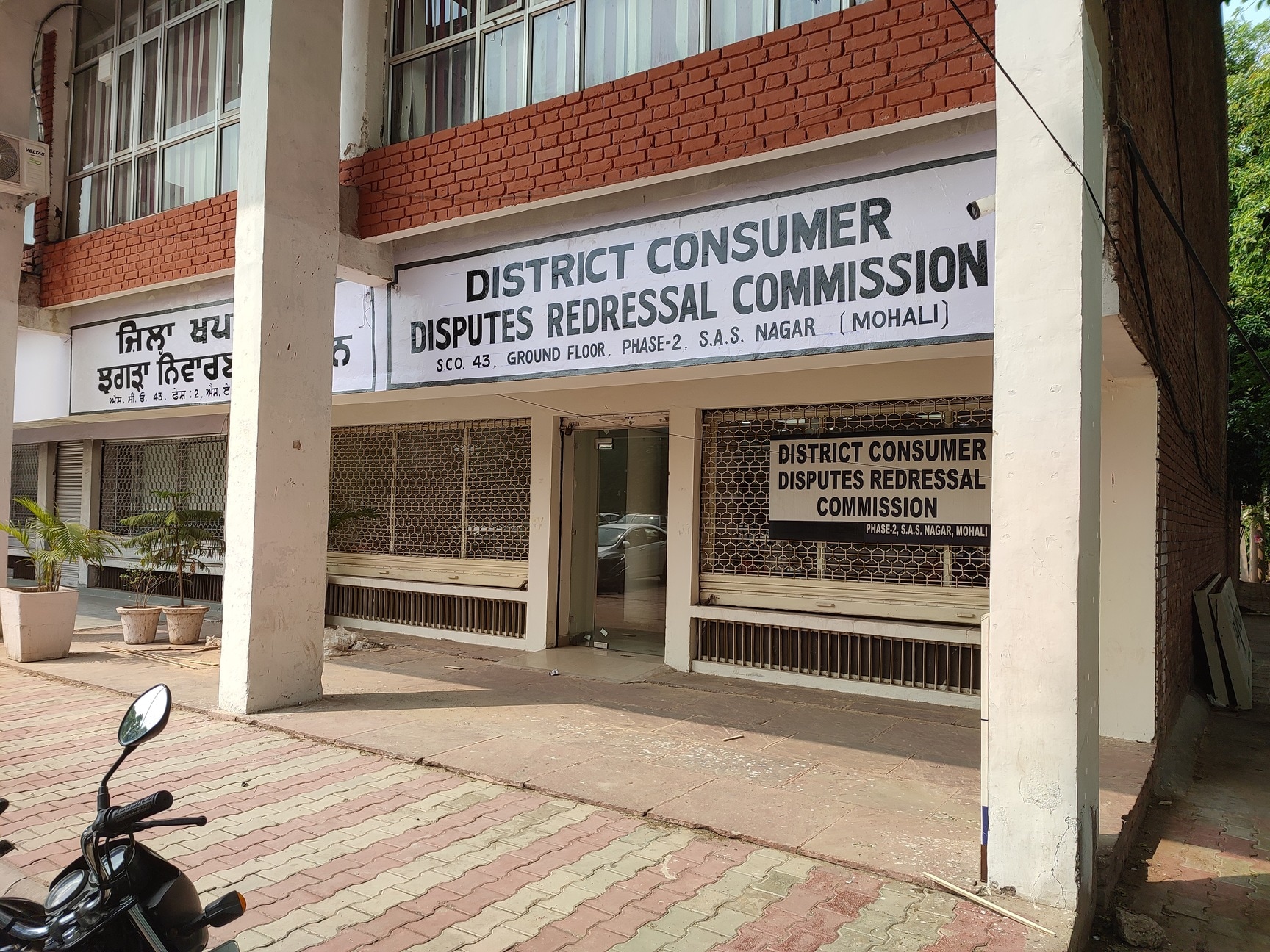

Three-Tier System
| Level | Jurisdiction |
|---|---|
| District Commission | Local consumer complaints |
| State Commission | Appeals and higher claims |
| National Commission | National-level disputes |
This system ensures quick resolution of disputes and enforcement of the rights of consumer.
How to File a Consumer Complaint
Consumers can file complaints against defective goods, poor service, or unfair practices.
Steps to File Complaint
-
Contact seller or service provider
-
Send written notice
-
Collect proof (bill, warranty, etc.)
-
File complaint with consumer forum
-
Attend hearings if required
Online complaint portals have also made it easier to enforce the rights of consumer.
Examples of Violation of Consumer Rights
Understanding real-life situations helps clarify the rights of consumer.
Common Violations
-
Selling expired products
-
False advertising claims
-
Charging higher prices than printed price
-
Supplying defective goods
-
Poor service quality
In such situations, consumers can seek compensation and justice.
Consumer Rights in E-Commerce
With the growth of online shopping, protecting the rights of consumer in digital transactions has become essential.
Online Consumer Protections
-
Transparent pricing
-
Clear return policies
-
Product authenticity
-
Secure payment methods
-
Protection of personal data
The Consumer Protection Act, 2019 includes provisions for online shopping disputes.
Role of Consumer Awareness Programs
Consumer awareness programs educate people about the rights of consumer and help reduce exploitation.
Government Initiatives
-
Awareness campaigns
-
Consumer helplines
-
Legal education programs
-
Public service advertisements
Educated consumers are less likely to be cheated in the marketplace.
Snippet: Quick Definition of Rights of Consumer
Rights of consumer are legal protections that ensure buyers receive safe products, accurate information, fair treatment, and compensation for defective goods or services.
Challenges in Implementing Consumer Rights
Despite strong laws, certain challenges affect the effective implementation of the rights of consumer.
Common Challenges
-
Lack of awareness
-
Delayed legal proceedings
-
Complex complaint procedures
-
Limited consumer education
-
Unfair trade practices
Improving awareness and strengthening enforcement mechanisms can address these issues.
Global Perspective on Consumer Rights
Consumer rights exist worldwide, though they differ across countries. Most nations recognize basic protections such as safety, information, and redressal.
International organizations promote consumer protection standards to ensure fair trade practices globally.
Future of Consumer Rights
The future of the rights of consumer will focus on:
-
Digital transaction protection
-
Data privacy rights
-
AI and automated service regulation
-
Stronger product liability laws
-
Faster dispute resolution systems
Technology and globalization will continue to shape consumer protection laws.
Conclusion
The rights of consumer are essential for maintaining fairness and transparency in the marketplace. These rights protect buyers from exploitation, ensure product quality, and provide legal remedies in case of disputes. The Consumer Protection Act, 2019 plays a crucial role in safeguarding consumer interests in India.
Understanding the rights of consumer helps individuals make informed decisions, avoid fraud, and seek justice when necessary. At the same time, responsible consumer behavior and awareness are equally important for strengthening consumer protection systems.
Read More:- How to Get Super Glue Off Skin — Complete Safety & Removal Guide
