
Introduction
Consumers play an essential role in every economy. Whether purchasing daily groceries, electronics, services, or online subscriptions, buyers contribute significantly to market growth. However, to protect buyers from unfair trade practices, fraud, and exploitation, governments worldwide have established laws ensuring the rights of consumer. These rights help maintain transparency, fairness, and trust between businesses and customers.
Understanding the rights of consumer is important because it empowers individuals to make informed decisions, seek compensation, and avoid exploitation. Many people face issues like defective products, misleading advertisements, hidden charges, and poor services simply because they lack awareness of their consumer rights. When consumers understand their rights, they can take action against unfair practices and ensure fair treatment.
This comprehensive guide explains the rights of consumer, their importance, types, laws, responsibilities, and how individuals can file complaints. By the end of this article, you will have a complete understanding of consumer protection and its benefits.
What Are Consumer Rights?
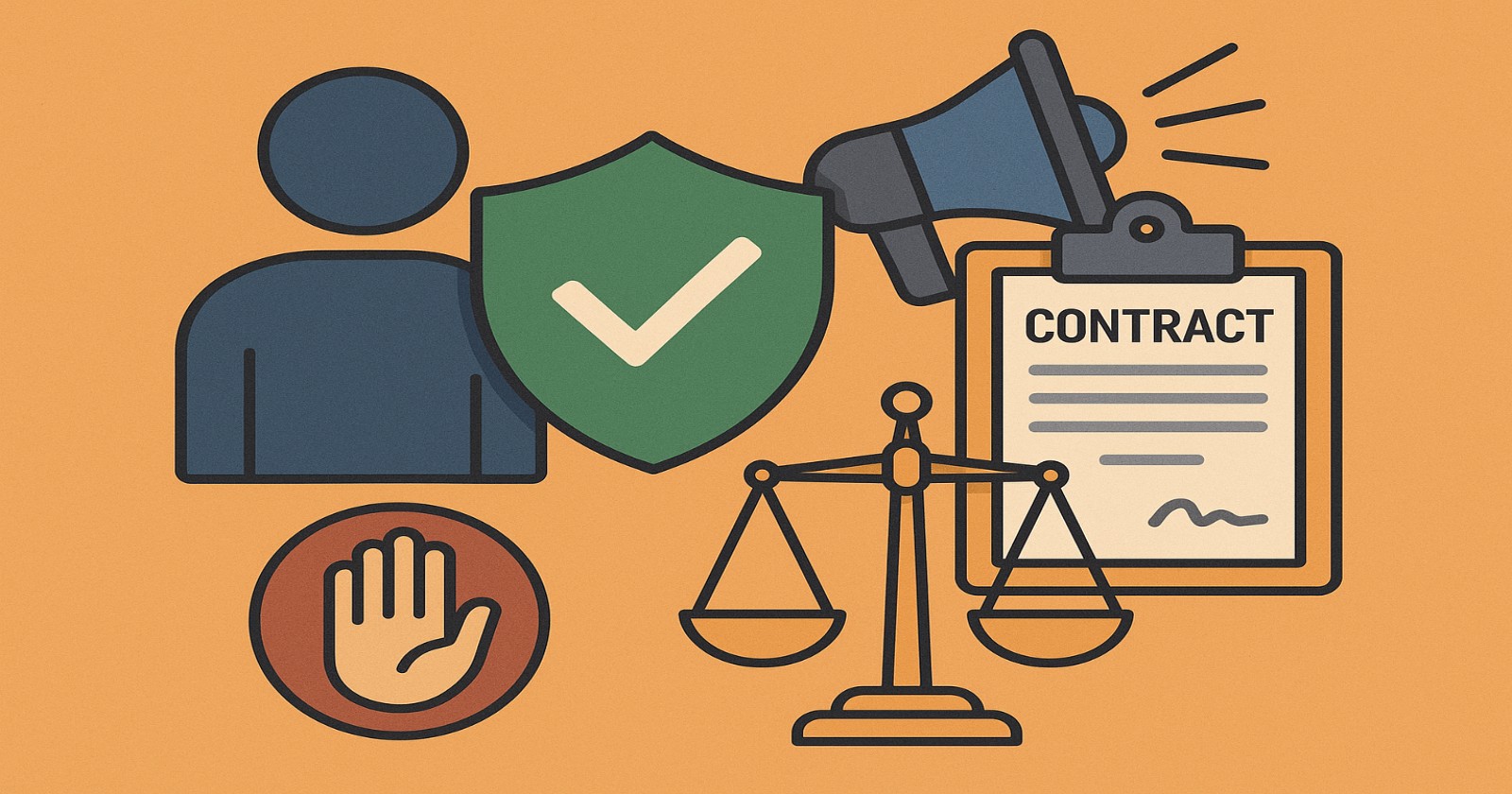
Consumer rights refer to the legal protections and entitlements provided to buyers of goods and services. These rights ensure that businesses operate ethically and provide accurate information about their products or services. The rights of consumer are designed to safeguard customers from fraud, defective products, and misleading practices.
Consumer rights provide a balance of power between businesses and customers. Without such rights, companies could exploit consumers by offering low-quality goods, false promises, or unsafe products.
Key Objectives of Consumer Rights
-
Protect consumers from unfair trade practices
-
Ensure product safety and quality
-
Provide accurate product information
-
Promote fair competition
-
Enable consumers to seek compensation
-
Prevent misleading advertisements
The primary goal of the rights of consumer is to create a fair marketplace where both buyers and sellers benefit equally.
Importance of Consumer Rights
Consumer rights play a significant role in maintaining ethical business practices and ensuring customer satisfaction. They help create trust between companies and customers while preventing exploitation.
1. Protection Against Exploitation
Businesses may sometimes engage in unfair practices such as overpricing, false advertising, or selling defective products. The rights of consumer protect individuals from such exploitation.
2. Ensures Product Safety
Consumer rights guarantee that products meet safety standards and do not pose health risks.
3. Promotes Informed Decision-Making
Consumers have the right to know product details, ingredients, and risks before purchasing.
4. Enhances Market Competition
Consumer protection encourages businesses to maintain quality and fair pricing.
5. Provides Legal Remedies
If consumer rights are violated, individuals can seek compensation or replacement.
Six Major Consumer Rights
Globally recognized consumer protection frameworks identify six fundamental rights that every buyer should know.
1. Right to Safety
This right protects consumers from hazardous goods and services that may harm health or life.
2. Right to Information
Consumers must receive complete and accurate details about products, including price, quality, quantity, and ingredients.
3. Right to Choose
Customers have the freedom to select from a variety of products at competitive prices.
4. Right to Be Heard
Consumers can raise complaints and express concerns about products or services.
5. Right to Seek Redressal
This right allows compensation for defective goods or unfair trade practices.
6. Right to Consumer Education
Consumers have the right to knowledge about their rights and responsibilities.
These six principles form the foundation of the rights of consumer and ensure fair treatment in the marketplace.
Overview of Consumer Rights and Their Benefits
| Consumer Right | Description | Benefit to Consumers |
|---|---|---|
| Right to Safety | Protection from harmful products | Ensures health and security |
| Right to Information | Access to product details | Prevents fraud and deception |
| Right to Choose | Freedom to select products | Promotes fair pricing |
| Right to Be Heard | Ability to complain | Protects consumer interests |
| Right to Redressal | Compensation for losses | Resolves disputes |
| Right to Education | Awareness of rights | Empowers consumers |
Consumer Protection Laws
Consumer protection laws are established by governments to enforce the rights of consumer. These laws regulate business practices, prevent fraud, and ensure fair trade.
Key Features of Consumer Protection Laws
-
Protection against unfair trade practices
-
Regulation of misleading advertisements
-
Compensation for defective goods
-
Establishment of consumer courts
-
Promotion of consumer awareness
In many countries, consumer protection authorities investigate complaints and impose penalties on businesses that violate consumer rights.
Responsibilities of Consumers
While consumers have rights, they also have certain responsibilities to ensure fair trade practices.
1. Being Informed
Consumers should research products and understand terms before purchasing.
2. Checking Product Quality
Buyers must verify quality, price, and expiration dates.
3. Keeping Bills and Receipts
Proof of purchase helps in filing complaints.
4. Reporting Unfair Practices
Consumers should report fraudulent activities.
5. Using Products Safely
Proper use prevents harm and disputes.
Understanding responsibilities helps strengthen the rights of consumer and ensures a fair marketplace.
Common Violations of Consumer Rights
Despite strong laws, consumer rights violations are common.
Examples of Violations
-
Sale of defective products
-
False advertising
-
Hidden charges
-
Poor service quality
-
Misleading product descriptions
-
Unfair contract terms
Recognizing violations helps consumers take action and protect their interests.
How to File a Consumer Complaint
If a business violates the rights of consumer, individuals can take legal action.
Steps to File a Complaint
-
Contact the seller or service provider.
-
Gather proof such as receipts and warranties.
-
Submit a written complaint.
-
Approach consumer protection authorities.
-
Seek compensation or replacement.
Timely action ensures effective enforcement of consumer rights.
Role of Consumer Awareness
Consumer awareness plays a major role in protecting buyers. Educated consumers make informed decisions and avoid fraud.
Benefits of Consumer Awareness
-
Reduces chances of exploitation
-
Promotes ethical business practices
-
Encourages competition
-
Improves product quality
-
Strengthens the rights of consumer
Governments and organizations conduct awareness campaigns to educate consumers about their rights.
Consumer Rights in Online Shopping
With the rise of e-commerce, protecting consumers in digital transactions has become essential.
Key Online Consumer Rights
-
Secure payment methods
-
Accurate product descriptions
-
Easy return and refund policies
-
Protection of personal data
-
Transparent pricing
Online shopping laws ensure that digital buyers enjoy the same rights of consumer as traditional buyers.
Benefits of Consumer Protection
Consumer protection benefits both individuals and businesses.
For Consumers
-
Better product quality
-
Fair pricing
-
Safety assurance
-
Legal protection
For Businesses
-
Increased customer trust
-
Brand reputation
-
Market stability
-
Competitive advantage
Strong consumer protection systems create a balanced economy.
Challenges in Consumer Protection
Despite strong regulations, several challenges affect consumer protection.
1. Lack of Awareness
Many consumers are unaware of their rights.
2. Complex Legal Processes
Filing complaints may be time-consuming.
3. Growth of Online Fraud
Digital transactions increase fraud risks.
4. Misleading Advertisements
False marketing practices mislead consumers.
Addressing these challenges strengthens the rights of consumer and improves protection mechanisms.
Future of Consumer Rights
Consumer protection continues to evolve with technological advancements and changing market conditions.
Emerging Trends
-
Stronger online protection laws
-
Data privacy regulations
-
Faster dispute resolution systems
-
AI-based fraud detection
-
Global consumer protection frameworks
These developments will further enhance the rights of consumer and ensure fair trade practices.
Featured Snippets
What Are the Rights of Consumer?
The rights of consumer are legal protections ensuring safety, information, choice, redressal, and fair treatment when purchasing goods or services.
Why Are Consumer Rights Important?
Consumer rights protect buyers from fraud, ensure product quality, promote fair trade, and provide legal remedies.
What Are the Six Consumer Rights?
The six major consumer rights include the right to safety, information, choice, to be heard, redressal, and consumer education.
How Can Consumers Protect Their Rights?
Consumers can protect their rights by staying informed, keeping purchase records, verifying product details, and filing complaints when necessary.
Conclusion
Consumers are the backbone of every economy, and their protection is essential for fair trade practices. The rights of consumer ensure safety, transparency, and accountability in the marketplace. These rights empower individuals to make informed decisions, seek compensation, and avoid exploitation.
Understanding consumer rights is not only beneficial for individuals but also for businesses and society. When consumers are aware and proactive, markets become more competitive, ethical, and efficient. Governments and organizations must continue promoting awareness and strengthening consumer protection laws.
Read more:- Rights of Consumer in India – Complete Guide to Consumer Rights

