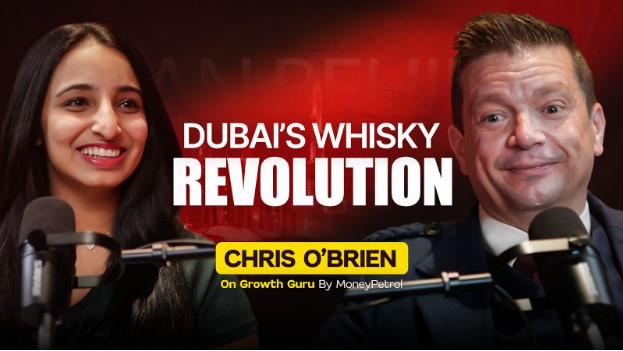

In today’s competitive market, the Chris O’Brien Podcast reveals a powerful shift—customers are no longer just buying products; they are investing in memorable experiences. From luxury travel to premium spirits, the global economy is increasingly driven by experience-based consumption. This transformation is reshaping industries and forcing brands to rethink how they connect with their audiences.
The rise of the experience economy has created new opportunities for businesses to differentiate themselves. High-demand keywords such as experiential marketing, luxury brand experience, premium whisky culture, and customer experience strategy dominate search trends, highlighting a growing interest in businesses that offer more than just tangible products. Consumers today value storytelling, authenticity, and emotional connection, making experience-driven branding a critical component of success.
From Products to Experiences: A Shift in Consumer Behavior
Traditional marketing focused on product features, pricing, and functionality. However, modern consumers are more interested in how a product makes them feel. Whether it is a curated whisky tasting, a heritage-driven brand story, or an immersive retail environment, experiences have become the new currency of value.
This shift is particularly evident in the whisky industry, where brands are transforming simple purchases into immersive journeys. Whisky is no longer just a drink—it is a cultural experience tied to history, craftsmanship, and personal moments. By tapping into these emotional elements, brands can build deeper connections and long-term loyalty with their customers.
The Power of Storytelling in Brand Building
Storytelling plays a central role in selling experiences. Brands that successfully communicate their heritage, values, and purpose can create a strong emotional bond with their audience. This is especially important in industries like whisky, where tradition and authenticity are key selling points.
A compelling example of this approach can be seen in the journey of Chris O’Brien, whose work demonstrates how storytelling can transform a product into a global experience. By connecting landscapes, culture, and craftsmanship, he built a brand that goes beyond selling whisky and instead offers a narrative that resonates with consumers across different markets.
In the middle of this transformation, Chris O’Brien emphasizes that the true value of a brand lies in its ability to create meaningful connections. By blending heritage with innovation, businesses can appeal to both traditional audiences and modern consumers who seek authenticity and uniqueness.
Creating Premium Experiences That Drive Revenue
Selling experiences is not just about creativity—it is a powerful revenue strategy. Businesses that focus on premium experiences often command higher prices and enjoy stronger customer retention. In the whisky industry, this can include curated tasting sessions, exclusive events, limited-edition releases, and personalized customer journeys.
Experience-driven strategies also open new revenue streams. Instead of relying solely on product sales, brands can monetize events, memberships, collaborations, and digital experiences. This diversification reduces risk and creates multiple touchpoints for customer engagement.
Digital platforms further amplify these opportunities. With the rise of social media and content marketing, brands can showcase their experiences to a global audience. Keywords like luxury experiences, brand storytelling, experiential marketing strategies, and premium customer engagement are increasingly important for visibility and growth.
Global Expansion Through Cultural Connection
One of the key lessons from successful experience-based brands is the importance of cultural relevance. As businesses expand into new markets, they must adapt their offerings while maintaining their core identity. This balance between global consistency and local customization is essential for building a strong international presence.
Cities like Dubai have become major hubs for global brands looking to scale their experiential offerings. With its diverse population, strong tourism industry, and appetite for luxury experiences, Dubai provides an ideal environment for brands to test and expand their concepts. By aligning their experiences with local preferences while staying true to their brand story, companies can successfully enter new markets and attract a wider audience.
The Role of Influencer and Digital Marketing
In the digital age, marketing experiences requires a strategic approach. Influencer marketing, content creation, and social media engagement play a crucial role in showcasing brand experiences. However, success is not determined by follower count alone. Engagement, authenticity, and niche targeting are far more valuable.
Brands that collaborate with influencers who genuinely align with their values can create more impactful campaigns. User-generated content, reviews, and storytelling further enhance credibility and reach. This approach not only drives awareness but also builds trust among potential customers.
Search engine optimization (SEO) also plays a vital role in promoting experience-based businesses. By targeting high-volume keywords such as experiential branding, luxury lifestyle experiences, whisky tasting experience, and global brand strategy, businesses can improve their online visibility and attract organic traffic.
The Future of Experience-Driven Businesses
As consumer expectations continue to evolve, the demand for meaningful experiences will only grow. Businesses that prioritize customer experience, authenticity, and innovation will lead the next wave of global growth. The integration of technology, sustainability, and personalization will further enhance the value of experiences, creating new opportunities for differentiation.
Experience-driven businesses are also more resilient in times of uncertainty. By focusing on emotional connection and value creation, they can maintain customer loyalty even in challenging economic conditions. This makes experiential branding not just a trend, but a long-term strategy for success.
Conclusion: Turning Moments Into Lasting Value
The art of selling experiences lies in understanding that customers are not just buying products—they are buying memories, emotions, and stories. Brands that can successfully create and deliver these experiences will stand out in an increasingly competitive market.
For entrepreneurs and marketers looking to learn from real-world success stories and global strategies, Dubai podcasts are emerging as powerful platforms to explore the future of experiential branding, luxury marketing, and business innovation.

