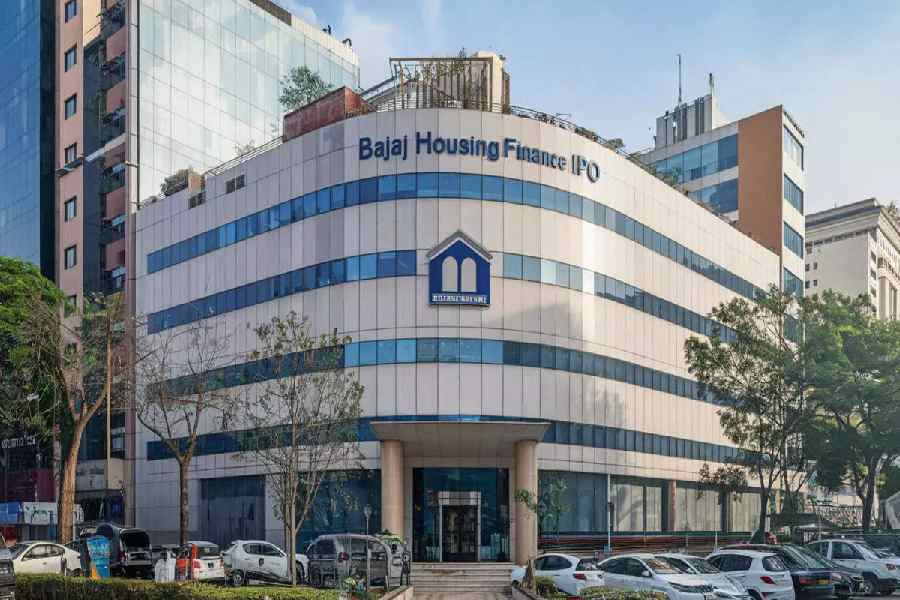

The Indian financial services sector has witnessed rapid expansion over the last decade, driven by rising incomes, urbanization, government-backed housing initiatives, and greater access to banking services. Among the many companies benefiting from this growth, housing finance companies and small finance banks have emerged as key players. Investors closely track entities such as Aavas Finance, Utkarsh Small Finance Bank, and Bajaj Housing Finance due to their exposure to retail lending, affordable housing, and underserved customer segments.
This article takes a comprehensive look at these three financial institutions, their business models, growth drivers, financial performance trends, and the factors that influence their share prices in the Indian stock market.
Understanding the Indian Housing and Retail Finance Landscape
Before diving into individual companies, it is important to understand the broader context. India’s housing finance and retail lending market is supported by:
-
A large population with increasing housing demand
-
Government schemes promoting affordable housing
-
Rising credit penetration in semi-urban and rural areas
-
Improved digital infrastructure for loan processing and repayments
These trends create long-term opportunities for companies focused on housing loans, microfinance, and small-ticket retail credit.
Aavas Finance: Business Model and Share Price Drivers
Company Overview
Aavas Financiers Limited is a specialized housing finance company primarily focused on affordable housing loans in semi-urban and rural regions of India. The company serves self-employed individuals, small business owners, and customers who may not have easy access to traditional banking credit.
Aavas Finance has built its presence across multiple states, emphasizing regions with strong demand for first-time homebuyers.
Factors Influencing Aavas Finance Share Price
The Aavas Finance share price is influenced by several fundamental and external factors:
-
Loan Growth and Asset Quality
Investors closely monitor loan book growth and non-performing assets. Stable asset quality and controlled defaults positively impact market sentiment. -
Interest Rate Environment
Changes in RBI policy rates affect borrowing costs. Efficient cost management helps protect margins during rate fluctuations. -
Affordable Housing Demand
Government incentives and rising rural income support demand for housing loans, which reflects positively on the company’s valuation. -
Geographic Expansion
Expansion into new states and districts adds to long-term growth expectations, often supporting share price momentum.
Investment Perspective on Aavas Finance
Aavas Finance is often viewed as a long-term play on affordable housing. Its focus on underserved markets provides growth opportunities, though it also carries higher credit risk compared to prime urban lenders. Investors typically evaluate consistency in earnings, branch expansion strategy, and risk management practices when assessing the stock.
Utkarsh Small Finance Bank: Growth Story and Market Performance
Company Overview
Utkarsh Small Finance Bank is part of India’s growing small finance bank ecosystem. These banks were created to promote financial inclusion by serving customers who are traditionally excluded from mainstream banking.
Utkarsh offers a mix of services including:
-
Savings and current accounts
-
Fixed deposits
-
Microfinance and MSME loans
-
Retail and agricultural credit
Key Factors Affecting Utkarsh Small Finance Bank Share Price
The Utkarsh Small Finance Bank share price responds to both banking sector trends and company-specific developments:
-
Deposit Growth and CASA Ratio
A strong deposit base improves funding stability and reduces dependence on costly borrowings. -
Loan Portfolio Diversification
Reduced dependence on microfinance and increased retail lending improves risk balance. -
Regulatory Environment
RBI guidelines on capital adequacy and priority sector lending directly impact operations and investor confidence. -
Profitability Metrics
Net interest margin, return on assets, and cost-to-income ratios are closely tracked indicators.
Market Perception and Long-Term Outlook
Small finance banks like Utkarsh are often seen as high-growth but higher-risk investments. While growth potential is strong due to financial inclusion initiatives, challenges such as credit risk, regional concentration, and economic slowdowns can affect performance.
For long-term investors, consistency in earnings and gradual transition toward a more diversified loan book are important signals.
Bajaj Housing Finance: Strength of a Trusted Brand
Company Overview
Bajaj Housing Finance operates under the umbrella of the Bajaj Group, one of India’s most trusted business conglomerates. The company focuses on:
-
Home loans
-
Loan against property
-
Developer finance
-
Lease rental discounting
The strong brand value and backing of the Bajaj ecosystem provide a competitive edge in customer acquisition and funding access.
What Drives Bajaj Housing Finance Share Interest
Although Bajaj Housing Finance share activity attracts attention even before widespread public market participation, investors evaluate the company based on:
-
Parent Group Strength
Association with Bajaj Finserv enhances credibility and lowers perceived risk. -
Urban and Salaried Customer Focus
A relatively higher-quality borrower base supports stable asset performance. -
Technology and Process Efficiency
Faster loan approvals and digital servicing improve customer experience and operating efficiency. -
Capital Structure and Growth Plans
Expansion strategy and capital adequacy influence valuation expectations.
Investor View on Bajaj Housing Finance
Bajaj Housing Finance is often considered a low-risk housing finance play due to its strong governance, risk controls, and parentage. While growth rates may be more moderate compared to smaller players, stability and predictability are key attractions.
Comparative Overview: Aavas vs Utkarsh vs Bajaj Housing Finance
Business Focus
-
Aavas Finance: Affordable housing, rural and semi-urban borrowers
-
Utkarsh Small Finance Bank: Financial inclusion, microfinance, retail banking
-
Bajaj Housing Finance: Urban housing finance, salaried and professional customers
Risk Profile
-
Aavas Finance carries moderate credit risk due to self-employed borrowers
-
Utkarsh faces higher operational and credit risk typical of small finance banks
-
Bajaj Housing Finance enjoys relatively lower risk due to premium customer base
Growth Potential
-
Aavas benefits from housing demand in emerging regions
-
Utkarsh gains from banking penetration and deposit growth
-
Bajaj Housing Finance leverages brand strength and cross-selling opportunities
Broader Market Factors Impacting Share Prices
Regardless of company-specific performance, the following macro factors influence all three stocks:
-
RBI monetary policy decisions
-
Inflation and interest rate trends
-
Housing demand cycles
-
Overall stock market sentiment
-
Regulatory changes in banking and finance
Long-term investors usually balance these macro elements with company fundamentals.
Things Investors Should Watch Going Forward
For anyone tracking the Aavas Finance share price, Utkarsh Small Finance Bank share price, or Bajaj Housing Finance share, the following aspects remain crucial:
-
Quarterly earnings consistency
-
Asset quality trends
-
Capital adequacy and liquidity
-
Management commentary and strategic direction
-
Economic conditions affecting borrowers
Monitoring these factors helps investors make informed decisions rather than reacting to short-term price movements.
Final Thoughts
India’s financial services sector continues to evolve, offering diverse investment opportunities across housing finance companies and small finance banks. Aavas Finance, Utkarsh Small Finance Bank, and Bajaj Housing Finance each represent different segments of the lending ecosystem, catering to unique customer profiles and risk appetites.
While share prices fluctuate based on market conditions, long-term value creation depends on disciplined lending, strong governance, and sustainable growth strategies. Investors who understand the underlying business models and risks are better positioned to navigate market volatility and identify meaningful opportunities in this space.

